
Documenting your RPG campaign transforms each session into a living chronicle and allows you and your party to preserve. Whether you’re a meticulous note-taker or a creative doodler, a well-structured campaign journal captures character arcs, world-building details, and unforgettable moments. Here’s how to build your perfect RPG journal.
Choosing Your Medium
Digital Tools
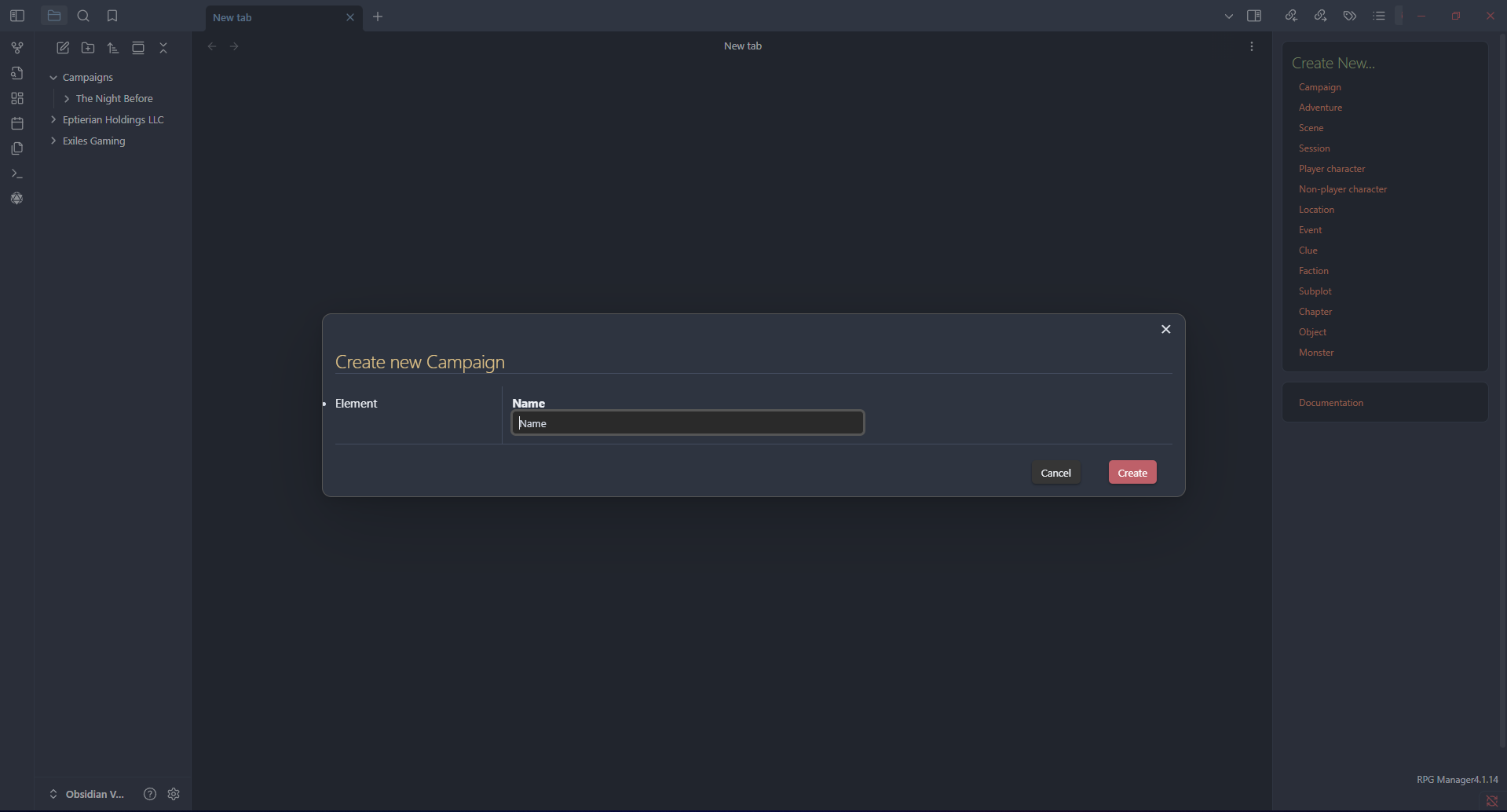
- Obsidian: Combining Obsidian with the free RPG Manager plugin creates a powerhouse of a digital campaign journal and planner! It creates RPG-specific pages in a hierarchy, like Campaigns, Sessions, Characters, NPCs, Creatures, and over a dozen more.
- iPad & Notability or Goodnotes: If you want to combine the feel of a written notebook and have better digital access to it, this is a perfect solution. It’s also a great choice if you’re not artistically inclined because you can drag and drop stickers and images instead.
- OneNote: One of the respected elders in digital note taking, it’s easy to learn and you may already have it if you have a Microsoft account. If you
- Google Docs: Collaborative writing for remote groups, and you can set up easy to use templates for all of your sessions.
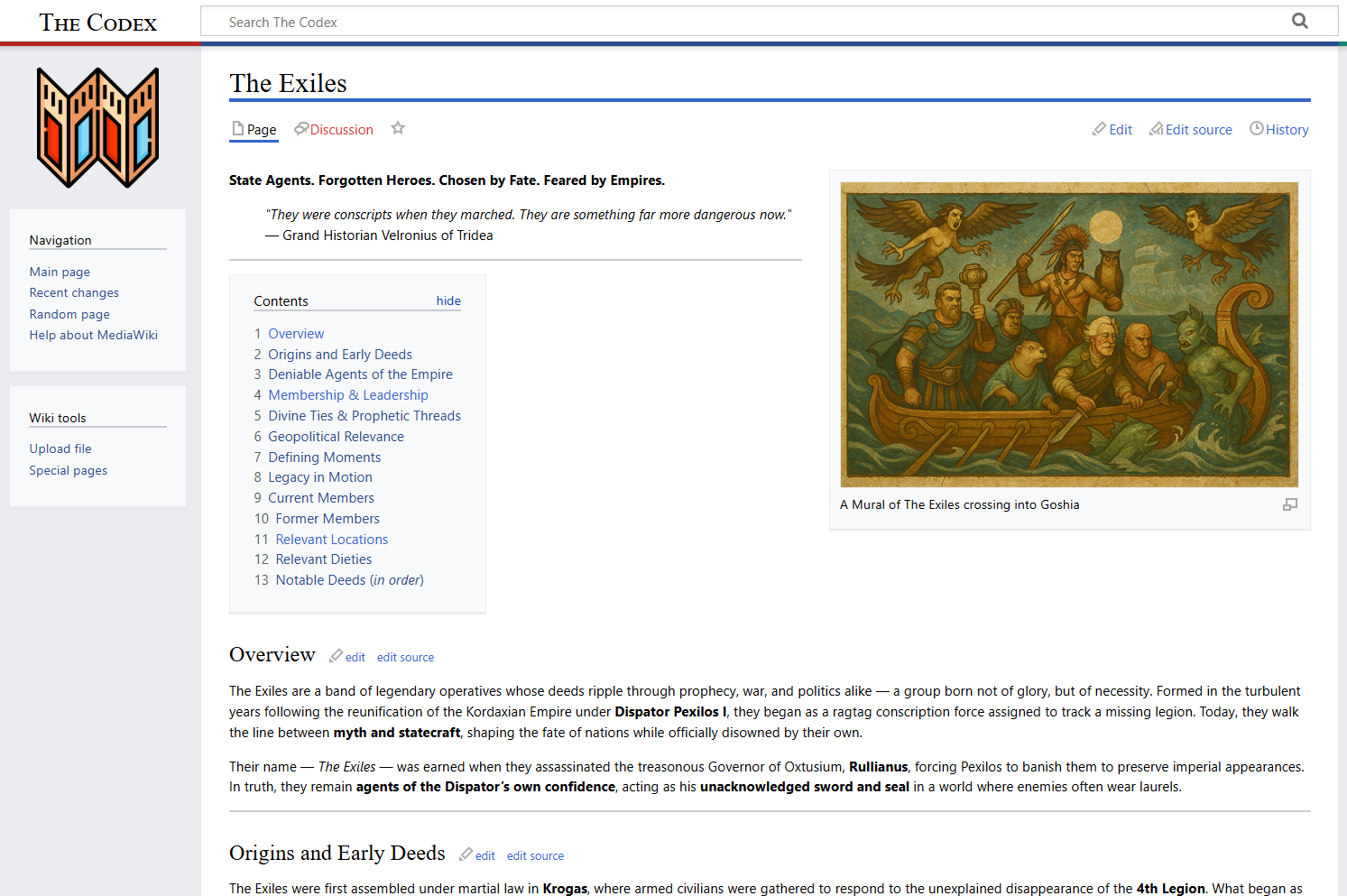
PRO TIP: For The Exiles campaign, we set up a private wiki using the free MediaWiki to keep track of our world’s lore, pantheons, characters, artifacts, notable deeds, and much more! We plan to export everything to a physical book when our campaign comes to an end.
Analog Options
- Notebook: Yep, just a plain notebook. It doesn’t have to be fancy, it’s just cooler when it is.
- Bullet Journal: Free form layouts in a group of short lists to keep things brief.
- Sketchbook: Blank pages for maps, sketches, visual brainstorming, and the pages are usually heavy enough allowing you to tape or glue items to the pages.
- Pre-formatted Campaign Notebook: Printed sections for sessions, NPCs, and loot tables. There’s tons of them out there.
What goes in your journal?
Well, anything you’d like. Here are some great ideas of what you can track during each of your sessions.
Session Logs
- Date & Title: Quick reference for each adventure.
- Summary Paragraph: Key events, decisions, and outcomes in 3–5 sentences. (This helps when you spend time away from each other between sessions!)
- Highlight Sections: Separate boxes for loot, level-ups, NPCs, combat encounters, memorable deeds and quotes.
World-Building Pages
- Maps & Sketches: Rough sketches of new locations are always great to have, or you may want to preserve a specific moment in a combat encounter that was epic. That’s if you’re artistically inclined–I’m not.
- Faction Tracker: Names, goals, and relationships between groups.
- Lore Notes: Short entries on myths, prophecies, pantheons of deities, or divine artifacts.
Character & NPC Sections
- Character Profile: Background, motivations, and personal quirks.
- NPC Dossier: Portraits, allegiances, and secrets.
- Relationship Web: A simple flowchart showing alliances and rivalries.
Breaking the fourth wall
One of the great things about D&D and other TTRPGs is the creativity you can use to create your campaign materials. Here’s some things you can try in your next session journal:

Check out our growing exiles field guide
Drawing Inspiration from Other Journals
Ask others to see their journals, or find other players’ session notes on Reddit, D&D forums, and gaming blogs. One of the great things about using a digital journal is you can set the background to look like parchment or other paper styles.
Here’s a few online resources you will find helpful or inspirational while creating your journal:
Final Tips
- Set a Routine: Block out 10 minutes after each session to update your journal and get a quick summary down to read before the next session.
- Mix Media: Combine writing, sketches, and printed handouts for variety and an authentic look.
- Use Color Coding: Assign colors to factions, players, or quest types for quick scanning.
- Encourage Guest Entries: Have players contribute one page per arc for fresh perspectives.
Ready to chronicle your upcoming adventures? Share a photo of your campaign journal on our socials tagged with #ExilesDNDJournals for a chance to be featured on our page!
